Enhance Your Yard with a Thoughtful Landscape Design that Harmonizes with Your Neighborhood
Transforming your yard can be an exciting project that boosts curb appeal, personal enjoyment, and even property value. However, when embarking on a landscaping upgrade, it’s essential to consider how your changes will fit within the context of your neighborhood. Striking a balance between personal expression and community harmony ensures your property is admired without disrupting the overall aesthetic of your street. By incorporating sustainable practices such as xeriscaping and water-saving plants, you can also create an eco-friendly oasis that contributes to environmental conservation.
Planning for Neighborhood Cohesion
Landscaping that complements your neighborhood begins with observation and research. Before diving into design ideas, take a stroll or drive through your neighborhood and observe:
- Color Schemes and Plant Choices: Are there common themes, such as native plants, certain flower colors, or tree types?
- Hardscape Styles: Note driveway materials, fencing, patios, or retaining walls. Do most homes have brick, stone, or concrete accents?
- Yard Design Trends: Observe whether neighbors lean toward formal gardens, naturalistic landscapes, or a combination of both.
Communicating with your neighbors can also be helpful. This dialogue allows you to align your design with the broader character of your street while preserving room for creativity.
A Harmonious Landscape Design includes:
- Complementing Existing Features:
- Use plants, trees, and shrubs that echo those already present in the area. For example, if your street features lush maples, consider including one in your design.
- Avoid exotic or overly unique plants that may clash visually with neighboring yards.
- Scale and Proportion:
- Keep structures such as pergolas, water features, or statues modest in size. Oversized elements can overwhelm your yard and detract from the street’s cohesive look.
- Colors and Textures:
- Aim for a palette that complements your home’s façade and blends with the surrounding homes.
- Use plants with textures and heights that flow naturally from yard to yard, creating a seamless visual transition.
Steps to Start Your Landscape Design Project
- Assess Your Yard: Identify areas with high sun exposure, poor drainage, or other challenges.
- Set Goals: Determine your priorities—whether it’s a lush garden, water conservation, or entertainment spaces.
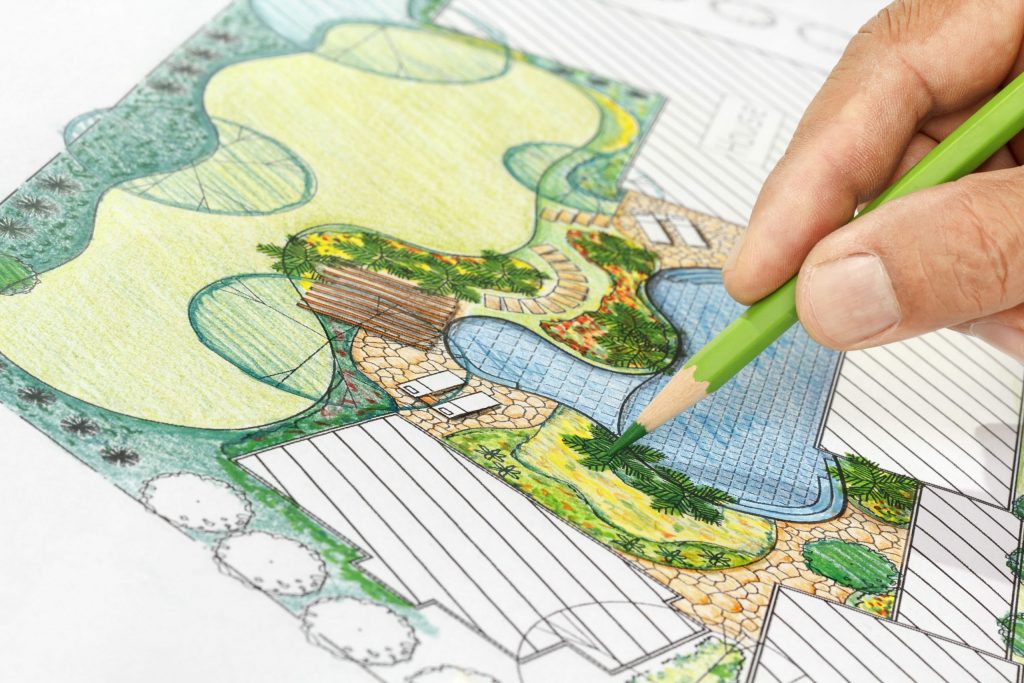
- Plan Your Zones: Map out areas for traditional landscaping and xeriscaping.
- Choose Plants Wisely: Select a mix of water-efficient and ornamental plants.
- Incorporate Hardscaping: Add pathways, patios, or rock features for structure and contrast.
- Install Smart Systems: Use efficient irrigation and lighting to enhance functionality.
- Use Xeriscaping where possible: Best to use in dry climates, enjoy substantial water savings.
Consider The Benefits of Water-Saving Landscape Design concepts:
Incorporating water-saving practices into your landscape plan not only lowers utility bills but also conserves a vital resource. Many homeowners are turning to xeriscaping, a landscaping philosophy that reduces or eliminates the need for supplemental irrigation.
- What is Xeriscaping?
Xeriscaping is a sustainable landscaping approach that uses drought-tolerant plants, efficient irrigation systems, and soil management techniques to conserve water. It’s particularly effective in arid regions but can benefit any environment facing water restrictions or high utility costs. - Advantages of Xeriscaping:
- Lower Water Usage: By reducing irrigation needs, xeriscaping can decrease water consumption by up to 75%.
- Low Maintenance: Drought-tolerant plants typically require less pruning, fertilizing, and weeding.
- Environmental Benefits: Less water runoff minimizes erosion and pollution, while native plants support local ecosystems.
How to incorporate Xeriscaping in Your Yard when starting your landscape design
- Choose Native and Drought-Tolerant Plants:
Native plants are well-adapted to local climates and require less maintenance. Examples of drought-tolerant plants include:- Succulents: Aloe vera, agave, and sedum add structure and interest.
- Perennials: Lavender, yarrow, and Russian sage offer vibrant color and attract pollinators.
- Grasses: Blue fescue and switchgrass are hardy and create a natural look.
- Group Plants by Water Needs:
Arrange plants with similar watering requirements in the same area to simplify irrigation and avoid overwatering. - Use Efficient Irrigation Techniques:
- Install a drip irrigation system to deliver water directly to plant roots.
- Water early in the morning or late in the evening to reduce evaporation.
- Incorporate Mulching:
- Apply organic mulch around plants to retain soil moisture, regulate temperature, and suppress weeds.
- Design with Gravel and Stone:
- Replace traditional lawns with gravel paths or decorative stone features. These materials reduce the need for watering and mowing while adding a modern touch.
- Consider using Artificial Turf:
- Artificial turf can be combined with rock and mulch beds to provide decorative areas around outdoor patios or a sidewalk border design to the front of your home.
Balancing Beauty and Sustainability in your Newly Designed Landscape
Creating a beautiful yard doesn’t mean compromising on sustainability. Combining traditional landscaping techniques with eco-conscious principles can result in a vibrant and functional space that benefits both you and the planet.
- Strategic Lawn Reduction:
Lawns are water-intensive, so consider replacing sections with low-maintenance alternatives such as ground covers like creeping thyme or clover. Also consider using artificial turf as an alternative to other ground covers. - Rainwater Harvesting:
Install rain barrels to collect runoff from your roof. Use this free water source for irrigation during dry periods. While difficult to use in a city environment, this can work well if your home is on an acreage. - Edible Landscaping:
Incorporate fruit trees, vegetable beds, and herb gardens. These additions provide fresh produce while enhancing your yard’s aesthetics.
Integrating Lighting for Nighttime Appeal
Thoughtful lighting can highlight key landscape features and ensure safety. Consider:
- Solar-Powered Lights: Reduce electricity use and simplify installation.
- Subtle Fixtures: Avoid bright, intrusive lights that may disturb neighbors. Choose warm tones and shielded fixtures to direct light downward.
Maintaining Your Yard’s Appeal
Even the most well-designed yard requires regular upkeep to maintain its charm. A few tips:
- Regular Pruning and Weeding: Keep plants tidy and prevent invasive species from taking over.
- Seasonal Adjustments: Rotate flowers and plants to keep your yard vibrant year-round.
- Monitor Irrigation: Ensure your watering system is functioning efficiently and adjust as needed for seasonal rainfall changes. Use drip irrigation where possible.